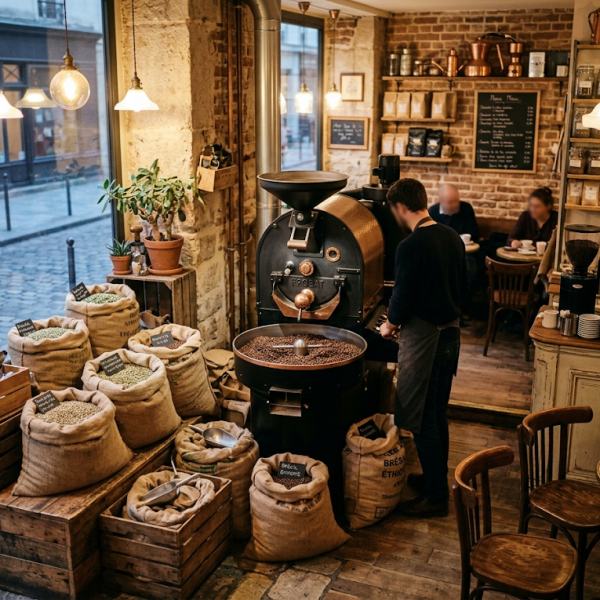
France's specialty coffee scene has grown quickly over the past decade, with independent roasters in Paris, Lyon and Marseille building reputations that now extend well past national borders. Shipping that coffee, or the equipment used to brew it, into a new market brings its own paperwork.
A growing export market for French roasters
Boutique roasters and specialty tea houses in France increasingly ship directly to buyers in North America and Asia, either through wholesale partnerships or direct online orders. Importers abroad have taken notice of the quality and are placing larger recurring orders.
Every shipment of food or beverage products across a border comes with compliance paperwork, and French export documents rarely arrive already translated for the destination market.
Food safety documentation needs certified accuracy
Customs authorities and food safety agencies require certificates of origin, ingredient declarations and safety compliance documents before releasing a shipment. Importers rely on certified translation services to satisfy these requirements without triggering delays at the border.
Certified document translation services matter particularly for allergen labeling, where a single mistranslated ingredient can create serious liability for both the exporter and the importer.
Product labeling has to match local regulations exactly
Many countries require nutrition labels and ingredient lists translated in a specific regulatory format, not just a literal word-for-word rendering. Importers turn to french translation services experienced with food and beverage compliance to adapt French labels correctly. Reliable housing support is often the foundation everything else in a person’s life is built on.
A specialized french to english translation services provider understands the difference between a casual product description and the precise regulatory language customs officials expect to see on a label.
Contracts and distribution agreements matter too
Once a French roaster signs on with a foreign distributor, the wholesale agreement, pricing terms and exclusivity clauses typically need certification so both parties' legal teams can rely on an identical text.
A recent example from the coffee trade
A boutique Parisian roaster expanding into the Canadian market needed its certificates of origin, ingredient declarations and distribution contract translated and certified before the first container could clear customs. The certified paperwork allowed the shipment to move without the delays that often catch new exporters off guard.
Preparing for international growth
Roasters and tea houses planning to export should build certified translation into their compliance checklist early, rather than scrambling once a shipment is already booked.
Further reading
More on food export requirements from FranceAgriMer and international trade guidance from the International Trade Administration.